
Dry January Comes and Goes. Gen Z Stays Sober-Curious.
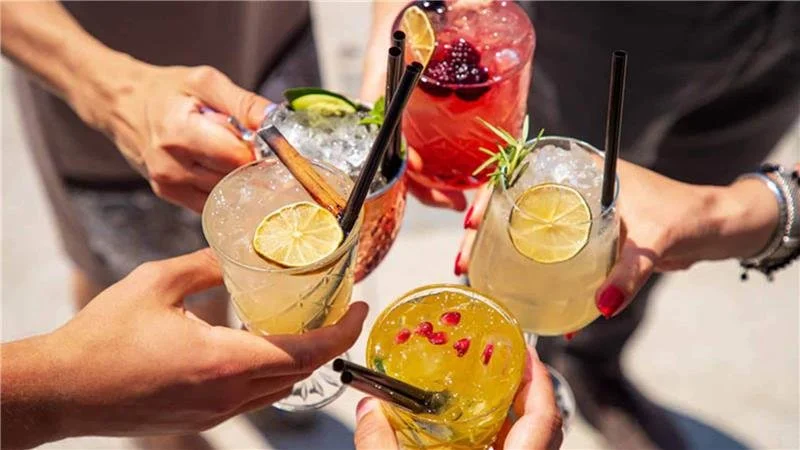
Dry January may be over but for Gen Z, moderation, or full abstinence, isn’t a seasonal reset. It’s a lifestyle.
Across the U.S., younger consumers are drinking less than previous generations, reshaping not only bar culture but the future of the alcohol industry itself. For spirits and ready-to-drink (RTD) brands, this isn’t a temporary shift. It’s a structural one.
The question is no longer how to win back drinkers. It’s how to stay relevant to a generation that often opts out entirely.
Here’s how spirits and RTD brands can stay ahead with an increasingly sober generation of consumers.
The shift: From occasional abstinence to everyday moderation
Gen Z isn’t rejecting alcohol outright, but they are redefining its role.
Drinking is no longer the default social behavior. Instead, it’s one option among many, often weighed against wellness goals, mental health and next-day productivity.
Key drivers include:
Health and wellness priorities: Fewer hangovers, better sleep, improved mental clarity
Financial awareness: Alcohol is expensive, especially in urban markets
Digital socialization: Social connection no longer depends on physical gathering spaces like bars
Cultural reframing: Sobriety is increasingly normalized — even aspirational
The result? A generation that still engages with “drinking culture,” but on its own terms.
The paradox: Interest in alcohol culture is still high
Here’s the nuance brands often miss: Gen Z may be drinking less, but they’re still highly engaged with:
Cocktail culture
Mixology aesthetics
Bar experiences
Premium ingredients and storytelling
They want the experience of alcohol without always wanting the alcohol itself.
That creates a new competitive set, not just other spirits brands, but:
Non-alcoholic spirits
Functional beverages
Coffee and matcha culture
Experiential nightlife without drinking
What this means for spirits and RTD brands
To stay relevant, brands need to evolve from “alcohol providers” to “experience builders.”
1. Design for moderation, not excess
Lower-ABV products, smaller formats and sessionable drinks are no longer niche, they’re expected.
RTDs in particular are well positioned here:
Portion-controlled
Transparent in ingredients
Compatible with casual, at-home consumption
We’re also seeing strong momentum behind smaller formats as a moderation tool. For example, Skrewball is rolling out smaller formats across markets with notable success, including 100ml cans in the U.S. (Bachelor-alum Joey and Kelsey approved) and 200ml hip flasks in Australia and New Zealand. These formats meet consumers where they are: looking for flexibility, portability and lower-commitment consumption occasions.
2. Build non-alcoholic and hybrid portfolios
Non-alcoholic doesn’t dilute brand equity, it extends it. Forward-thinking brands are:
Launching zero-proof extensions
Creating “dual-use” products (with or without alcohol)
Positioning non-alcohol as part of a broader lifestyle, not a compromise
3. Win on aesthetics and shareability
For Gen Z, the drink is content.
Packaging, color and design matter as much as taste (sometimes more).
Think:
Photogenic cans and bottles
Distinctive glassware moments
Strong visual identity across IRL and digital
4. Rethink occasions
Alcohol is no longer tied exclusively to nightlife. New high-growth occasions include:
Daytime socializing
Wellness-adjacent events
Dinner parties and at-home hosting
Sober-curious gatherings
Brands that expand beyond the bar unlock more frequent, lower-intensity consumption moments.
5. Lead with values, not just flavor
Gen Z expects brands to stand for something. That can include:
Ingredient transparency
Sustainability
Mental health awareness
Inclusive social experiences
This generation is less loyal to categories, and more loyal to brands that reflect their identity.
The bottom line
Dry January might seem like an annual blip in your brand marketing calendar, but for Gen Z, mindful drinking is the default.
For spirits and RTD brands, relevance won’t come from pushing volume. It will come from adapting to a new definition of consumption, one that prioritizes flexibility, experience and intention over excess.
The brands that win won’t just sell drinks. They’ll shape how and why the next generation chooses to drink at all.