
Stars Are Made in the Desert (No, Not Just Musicians — Brands, Too)
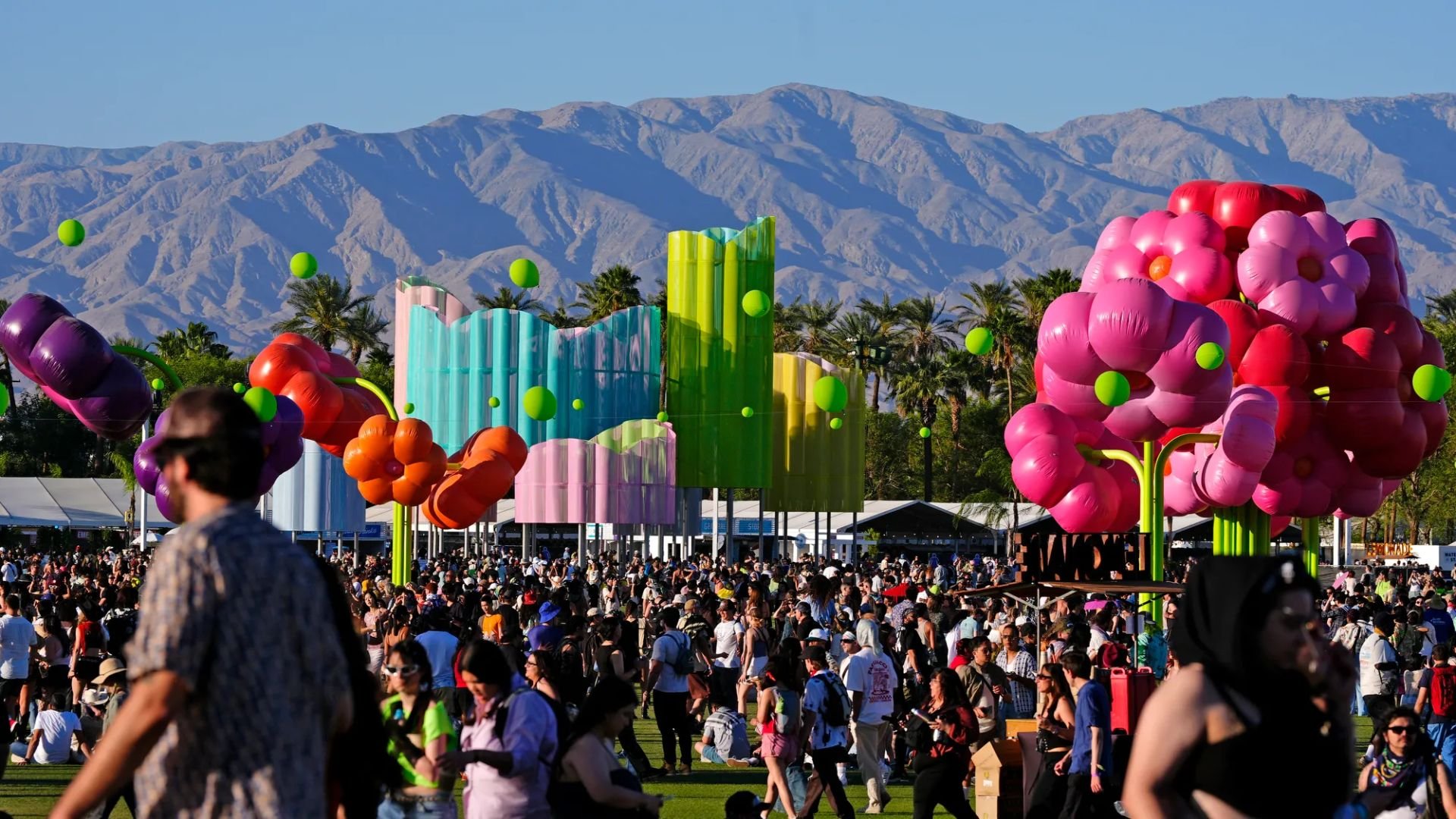
Every April, the eyes of the world turn to the California desert. What started as a music festival has evolved into something much bigger: a cultural proving ground where relevance is won, lost or cemented in real time.
For brands, Coachella and Stagecoach aren’t just events, they’re a make-or-break moment.
In the span of a single weekend, the right activation can catapult a brand from relative obscurity to cultural mainstay. The wrong one? It fades into the background like a name buried in the smallest font on the lineup poster.
From Undercard to Headliner — Overnight
In music, the difference between an undercard artist and a headliner isn’t just talent; it’s visibility, buzz and the ability to connect with an audience at scale. Brands operate the same way.
The desert compresses timelines. What might take months or even years to build can happen in a matter of hours when a brand taps into the right moment, the right audience and the right cultural energy.
Think of immersive pop-ups that go viral on TikTok, or a perfectly timed influencer moment that cascades across Instagram within hours. We’ve seen brands like Revolve turn curated influencer trips into full-scale cultural moments, while beauty and beverage brands have built desert experiential activations that generate more engagement than traditional campaigns ever could.
The runway is short, the stakes are higher. And the payoff? Immediate.
But the shift from “undercard” to “headliner” doesn’t happen by accident, it’s engineered through strategy, storytelling and execution.
Why This Moment Matters More Than Ever
Festival season has always been about visibility, but today, it’s about participation in culture at scale.
Social media has transformed Coachella and Stagecoach into global broadcasts. A single activation can be seen by millions within minutes, judged instantly and either amplified or forgotten just as quickly. The audience isn’t just festival attendees anymore, it’s anyone with a screen. With the eyes of the world on the Coachella Valley, expectations have evolved:
Consumers want experiences they can step into, not campaigns they scroll past
Aesthetics alone aren't enough. Activations should feel real, immersive and shareable
Cultural fluency matters. Brands need to understand the moment, not just occupy it
We’ve seen this play out with brands that nail the formula: a well-designed space, the right creators and a seamless content loop that fuels itself organically (think Kendall Jenner’s 818 Outpost). On the flip side, overly branded, inauthentic activations are quickly dismissed, sometimes even becoming cautionary tales online.
In this environment, brands aren’t just competing with each other. They’re competing with everything else capturing attention in that moment.
The Brands That Win
The brands that break through don’t just show up, they add something to the experience.
They create moments that feel native to the environment, not imposed on it. That might look like a hospitality-driven space that offers real value (shade, comfort, exclusivity), or a collaboration that feels culturally aligned rather than transactional.
For example, brands that partner with the right talent (not just the biggest names) often see stronger engagement because the connection feels more authentic. A niche DJ set, a surprise performance or an intimate influencer dinner can generate more meaningful buzz than a large-scale but impersonal activation.
Winning brands also think beyond the physical footprint. They design experiences with content in mind, ensuring that what happens on-site translates seamlessly into digital storytelling. Every detail from lighting to layout is built to be captured, shared and extended.
And critically, they integrate PR early, ensuring that the moment doesn’t just live on social, but also earns media coverage that validates and amplifies it.
The Ones That Fade
For every standout brand, there are many more that quietly disappear into the background. Often, it comes down to a misunderstanding of the moment.
Some brands overinvest in aesthetics without considering experience, creating beautiful spaces that lack energy or purpose. Others rely too heavily on big-name influencers without a clear narrative, resulting in content that feels transactional rather than compelling. We’ve also seen brands chase trends instead of setting them, replicating what worked the year before without evolving it. In a space that thrives on novelty, repetition is quickly ignored.
And perhaps most critically, some brands treat festival season as a standalone moment rather than part of a broader strategy. Without a plan for amplification, even the best activations can lose momentum the moment the weekend ends. In the desert, attention is fleeting. If you don’t capture and extend it, it’s gone.
The PR Perspective: Turning Moments Into Momentum
This is where the difference between a good activation and a great one becomes clear. PR isn’t just about coverage — it’s about context and continuation.
The brands that truly win are the ones that connect the dots between:
The on-the-ground experience
The social media moment
The broader cultural narrative
A well-executed PR strategy can turn a single event into a multi-week conversation. A party becomes a headline. A partnership becomes a feature story. A well-placed image becomes a defining visual of the weekend.
Timing is everything. The right story, told at the right moment, can elevate a brand from participant to centerpiece. In a landscape where attention moves fast, PR ensures that the moment doesn’t just happen; it lasts.
The Bottom Line
Every April, the desert creates stars. Not just on stage, but across industries for brands willing to take risks, think creatively and show up with intention.
This is one of the few moments each year where culture, attention and influence converge at scale. The brands that understand the stakes don’t just participate, they capitalize, because the difference between being listed on the lineup and being the name everyone remembers isn’t luck, it’s strategy.