The Last Ad-Free Space Just Got a Sponsor. Here's What Brands Should Do About It.
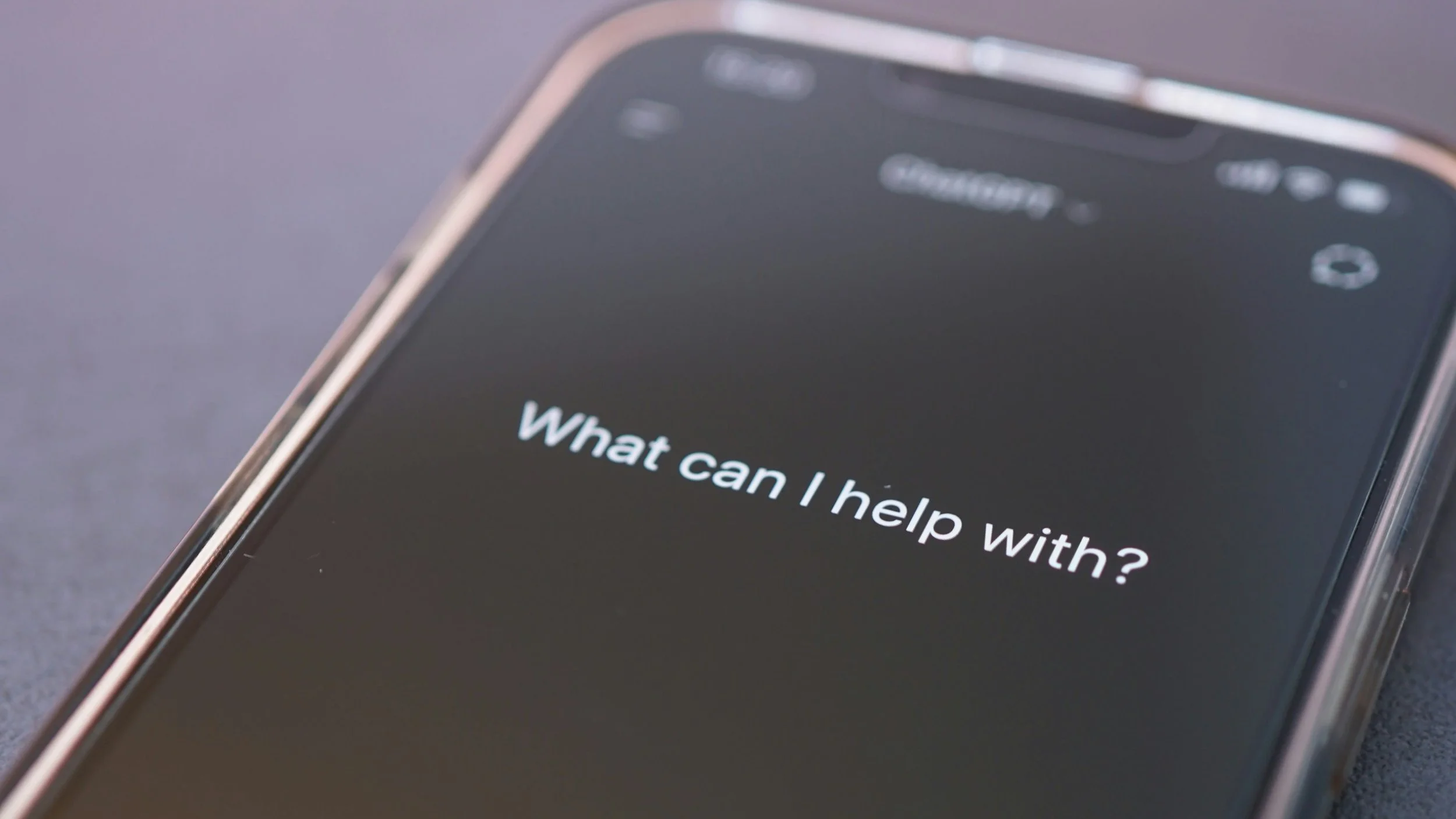
The last truly ad-free corner of the internet is officially shrinking. Le-sigh.
As of February 2026, OpenAI launched advertising inside ChatGPT for Free and Go tier users, which is approximately 95% of their userbase. Criteo, an advertising company, joined the pilot as the first outside ad tech company to integrate with OpenAI. Furthermore, Omnicom confirmed that more than 30 of its clients are already participating, with agencies and brands spanning multiple consumer categories.
For context, ChatGPT has hundreds of millions of active users, and OpenAI first announced its intent to pilot ads in January 2026 as it looks for ways to further monetize its widely used chatbot.
So, what does this mean for brands and the communications professionals advising them?
What just changed
Ads appear at the bottom of ChatGPT responses when there's a relevant sponsored product or service based on the current conversation. They are clearly labeled as sponsored and separated from the organic answer. Advertisers are charged on a cost-per-view model based on total impressions and won’t have access to chat logs or personal user data.
ChatGPT Plus, Pro, Business and Enterprise will remain ad-free — meaning the ad experience is specifically tied to users who aren't paying for the platform.
The brands already showing up aren't paying for it
Here's the thing: the brands showing up in AI responses right now are not paying to be there. They earned it through expert recommendations online, media coverage, credibility and consistent media presence. That's organic visibility, and it's the same thing strategic PR has been building for brands for years to boost visibility when a consumer searches on Google.
As a modern consumer, avoiding ads isn't just a preference — it's a priority. IAB research from January 2026 shows Gen Z skepticism toward AI ads is rising, and clearer standards and disclosure are needed to rebuild trust. The moment a platform feels monetized, trust erodes. AI felt different because it was answering questions, not selling to you. That's changing, and consumers will take notice.
The brands that invest in earned media and authentic storytelling today are building the kind of credibility no ad budget can manufacture. When AI surfaces a brand organically in response to a consumer question, that recommendation carries real weight. As we've seen with our own clients at Crowe PR, earned media placements in authoritative publications directly influence whether AI platforms recommend your products to consumers actively seeking solutions. A paid placement in the same space is a different conversation entirely.
Place your bets accordingly
AI-powered advertising is projected to grow from $35 billion, or 8% of U.S. ad revenue, in 2025 to $142 billion, or 26% of total ad revenue, by 2030. The Criteo-OpenAI partnership is a signal toward yet another shift; it tells us AI platforms are moving toward the same monetization models we've seen reshape radio, broadcast, search and social. What it doesn't consider is the consumer on the other side of the screen.
Gen Z and younger millennials, the largest and fastest-growing purchasing demographic, didn't grow up tolerating ads. They grew up skipping them, blocking them and paying extra to avoid them. Introducing ads into AI isn't just a monetization move. It's a trust test. And history tells us consumers don't grade on a curve.
The brands that win long-term won't be the ones who bought their way into an AI response. They'll be the ones who earned it through influential voices, third-party credibility and a consistent brand presence that AI platforms recognize as authoritative. That foundation doesn't disappear when ad budgets shift or algorithms change. It compounds.
Organic over paid, any day. The question is whether you're building that foundation now, or waiting until the feed looks a lot more familiar than you'd like.